#ffffff 0.8
#361d08
#000000
#f1efe2
#000000
#ffd457 1
#000000
#361d08
#361d08 1
#f7b708 1
#ffffff
#f7b708 1
#000000
#000000
#000000
#86492b
#ffffff
Tertiary Background
#000000 0
Tertiary Text Color
#86492b
Tertiary Button Border Color
#000000 0
#e91c24
#ffffff
#e91c24
#e91c24
#f1efe2 1
#f1efe2 1
#000000 0
#999999 0

Double Click/Tap to Zoom

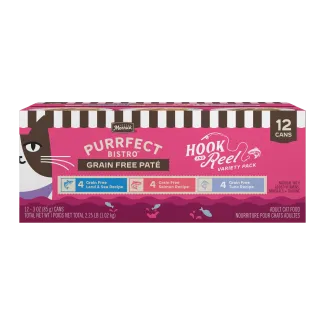
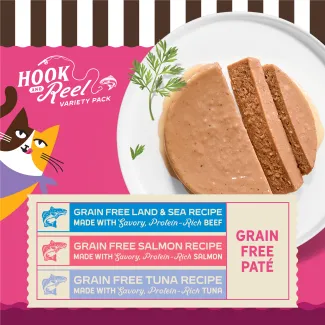
Merrick Purrfect Bistro Hook and Reel variety pack packaging.
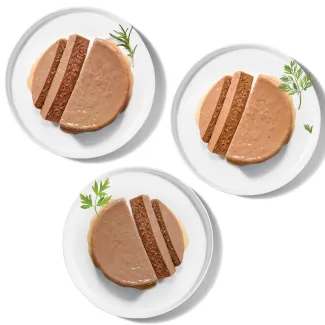
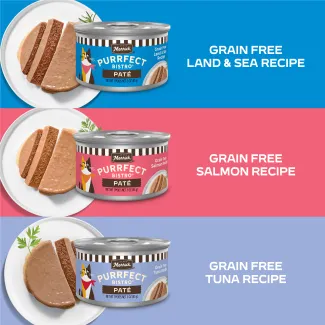
Merrick Purrfect Bistro Hook and Reel variety pack product.
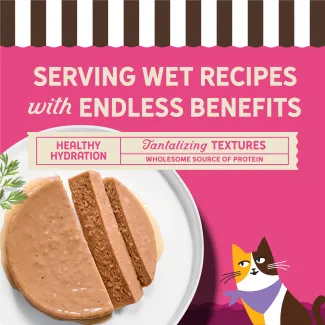
Serving wet recipes with endless benefits.
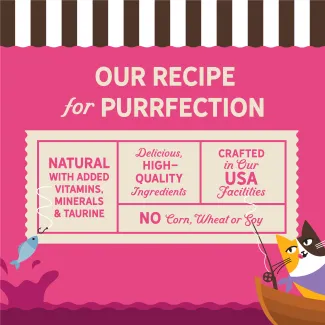
Our recipe for purrfection.
Grain free pate.
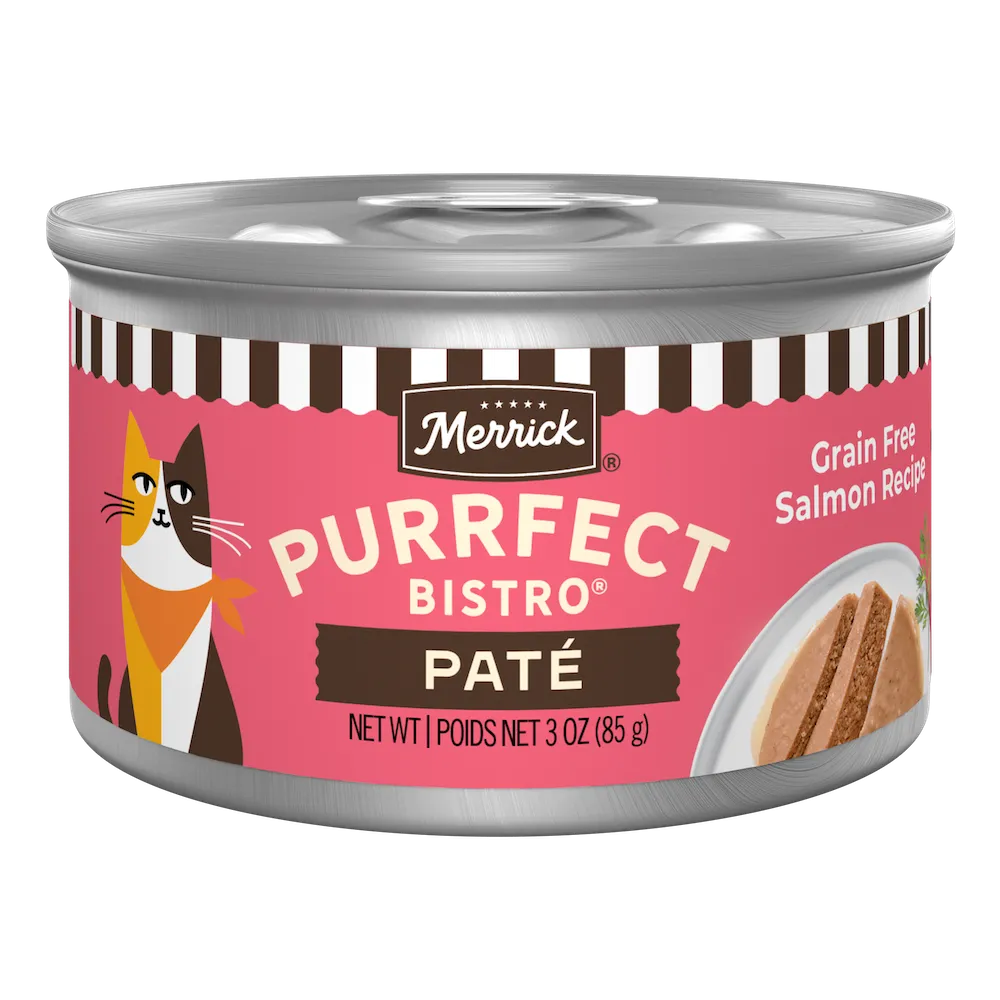
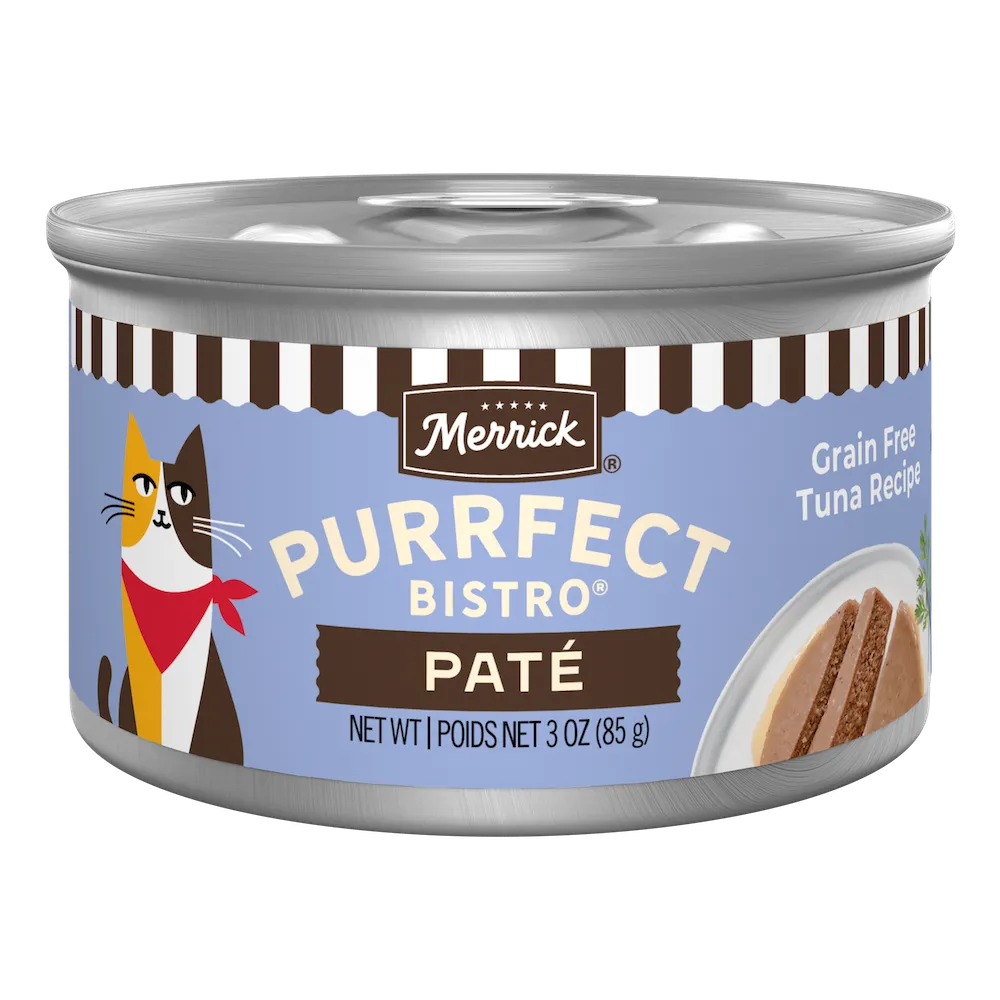
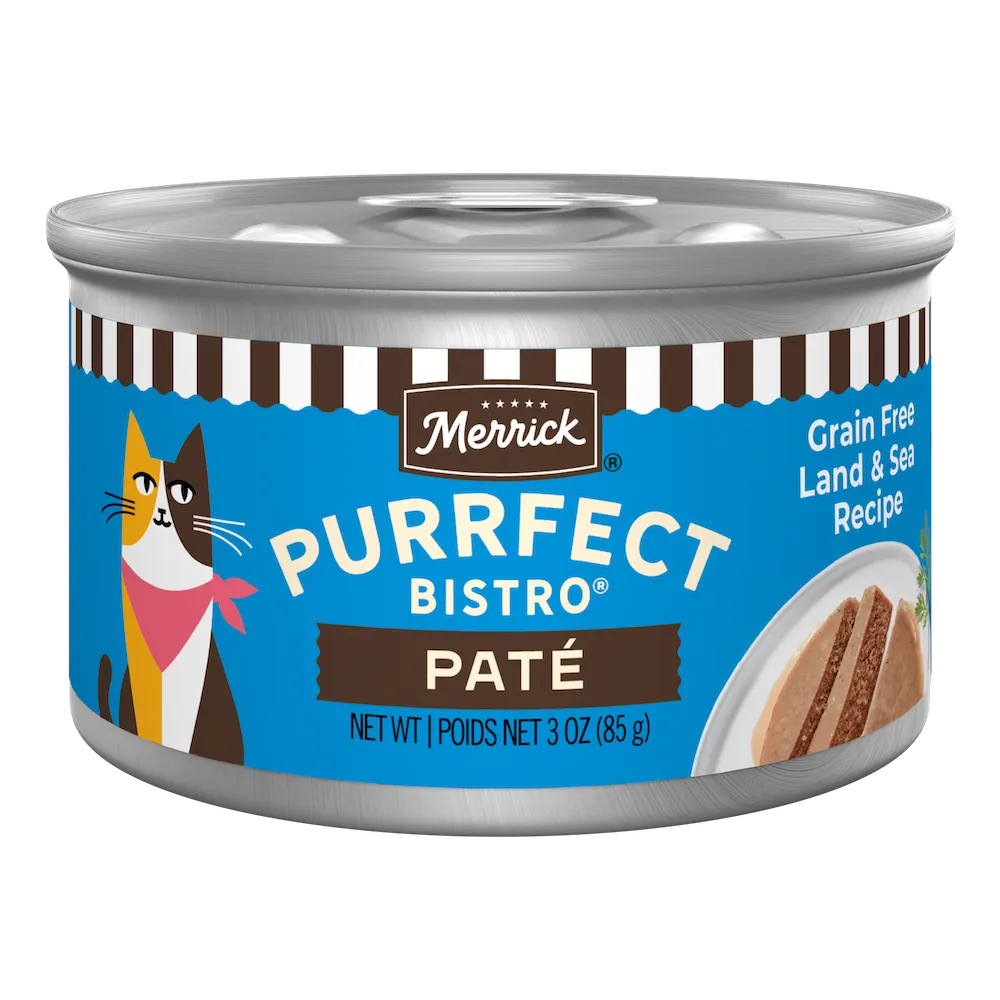
Grain free land and sea recipe, salmon recipe, and tuna recipe.
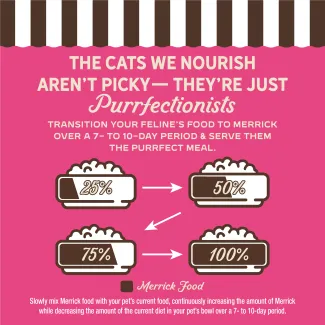
The cats we nourish aren't picky, they're just Purrfectionist.
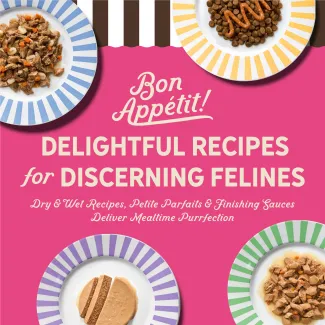
Delightful recipes for discerning felines.

Merrick Purrfect Bistro Hook & Reel Grain Free Pate Wet Cat Food Tuna, Salmon, and Land and Sea Variety Pack

Product Description

Treat your cat to culinary perfection with Merrick Purrfect Bistro Hook and Reel Variety Pack--a full-flavored delicious pate daily feeding wet cat food featuring the flavors of Grain Free Salmon Recipe, Grain Free Tuna Recipe, and Grain Free Land and Sea Recipe wet cat food. This soft cat food delivers a smooth and tasty pate made from wholesome ingredients including real seafood, poultry, or beef, for a tasty natural cat food that's rich in protein and delivers balanced and natural nutrition. Essential vitamins, minerals, and nutrients are added, providing the fundamental nutrition that cats need. Merrick grain free wet cat food is made with no artificial colors, flavors, or preservatives, and this sumptuous soft food for adult cats is crafted without wheat, corn, or soy. Proudly and safely crafted in USA facilities, easily build the perfect mealtime bowl when you add Merrick Purrfect Bistro Pate canned cat food, and dry food can be combined to create your cat's perfect mealtime bowl.

Double Click/Tap to Zoom
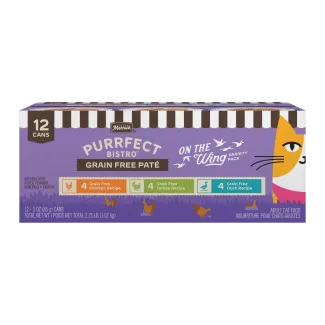
Merrick Purrfect Bistro On the Wing variety pack packaging
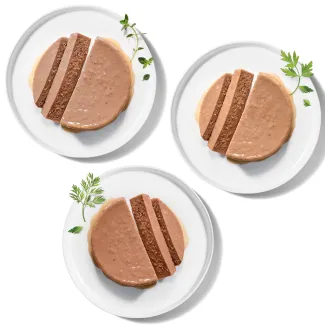
Merrick Purrfect Bistro On the Wing variety pack product
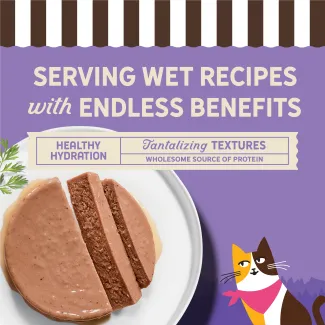
Serving wet recipes with endless benefits.
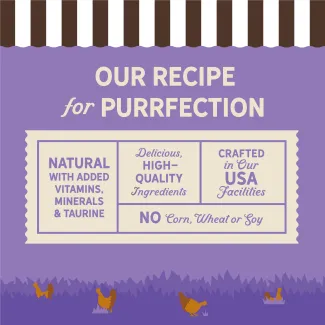
Our recipe for purrfection.
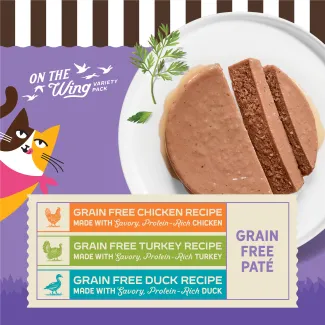
Grain free pate.
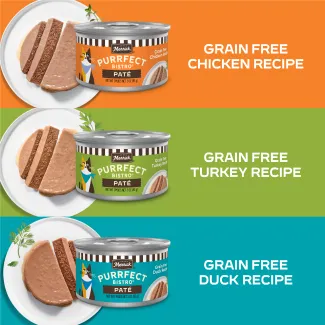
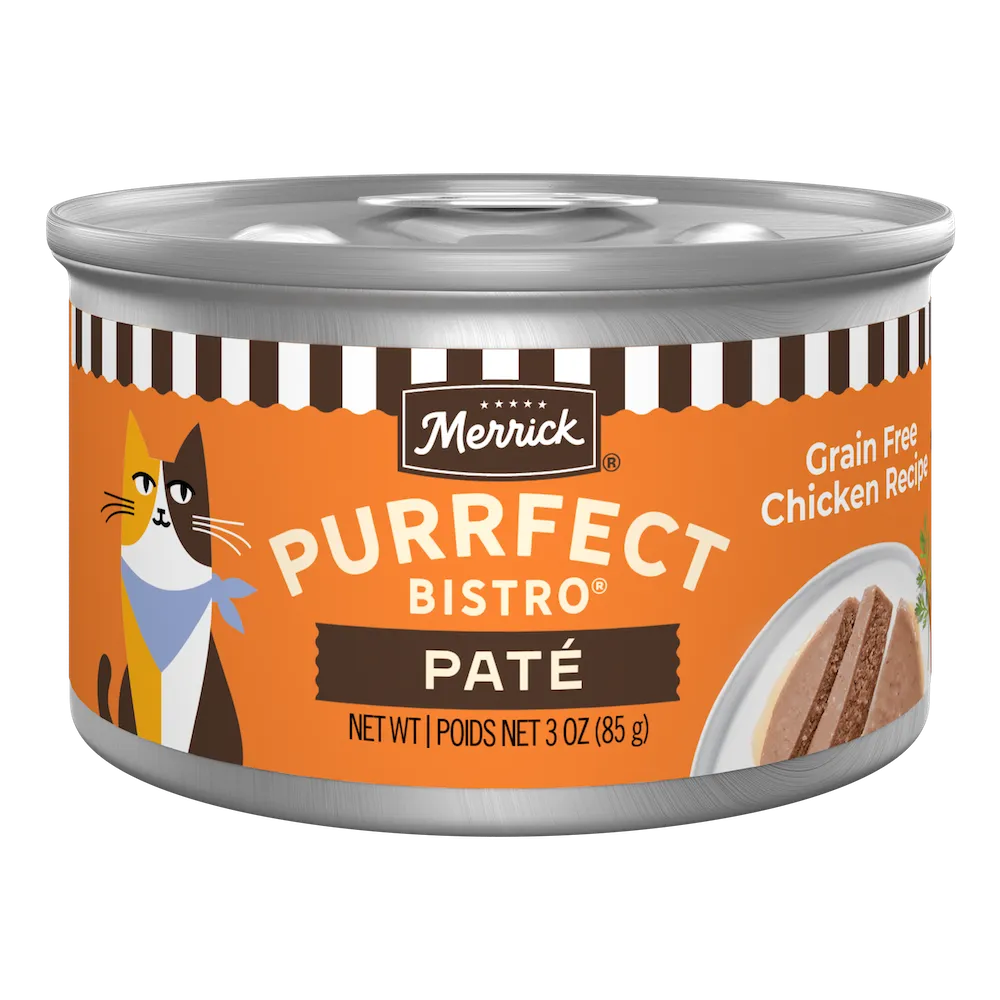
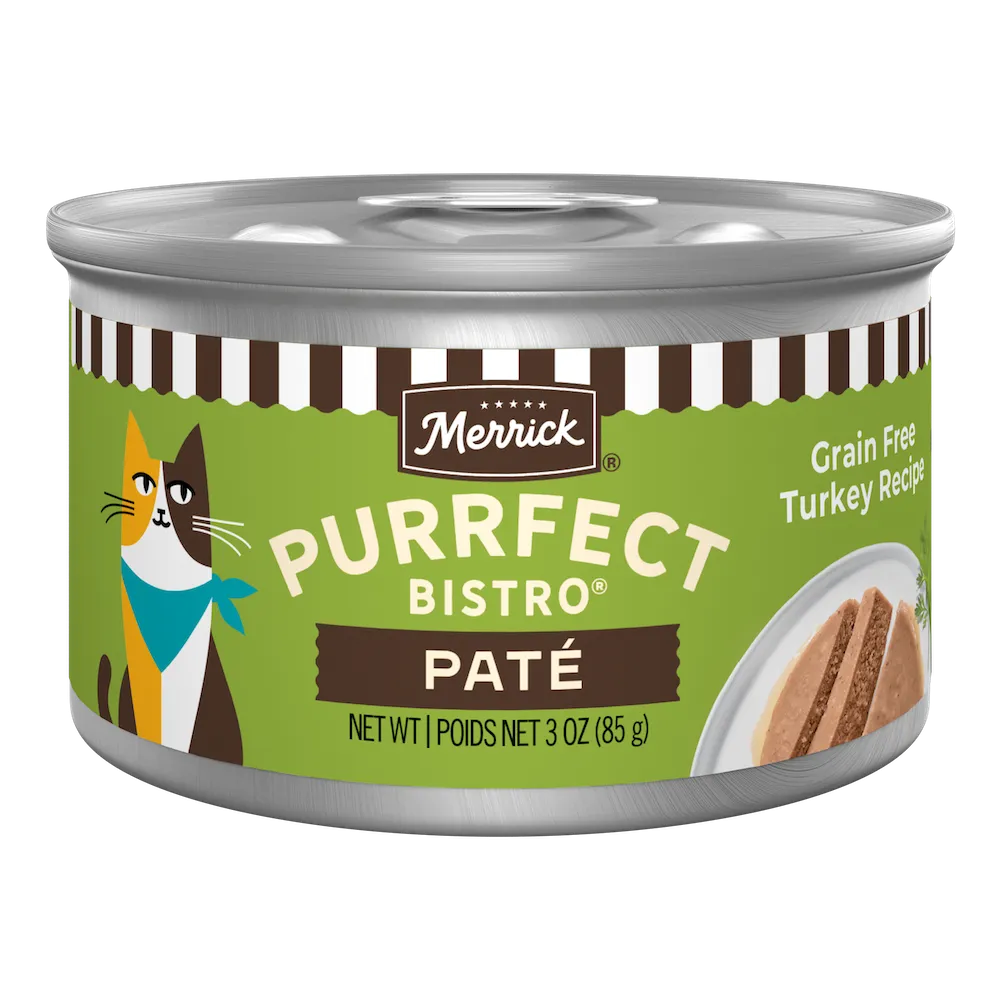
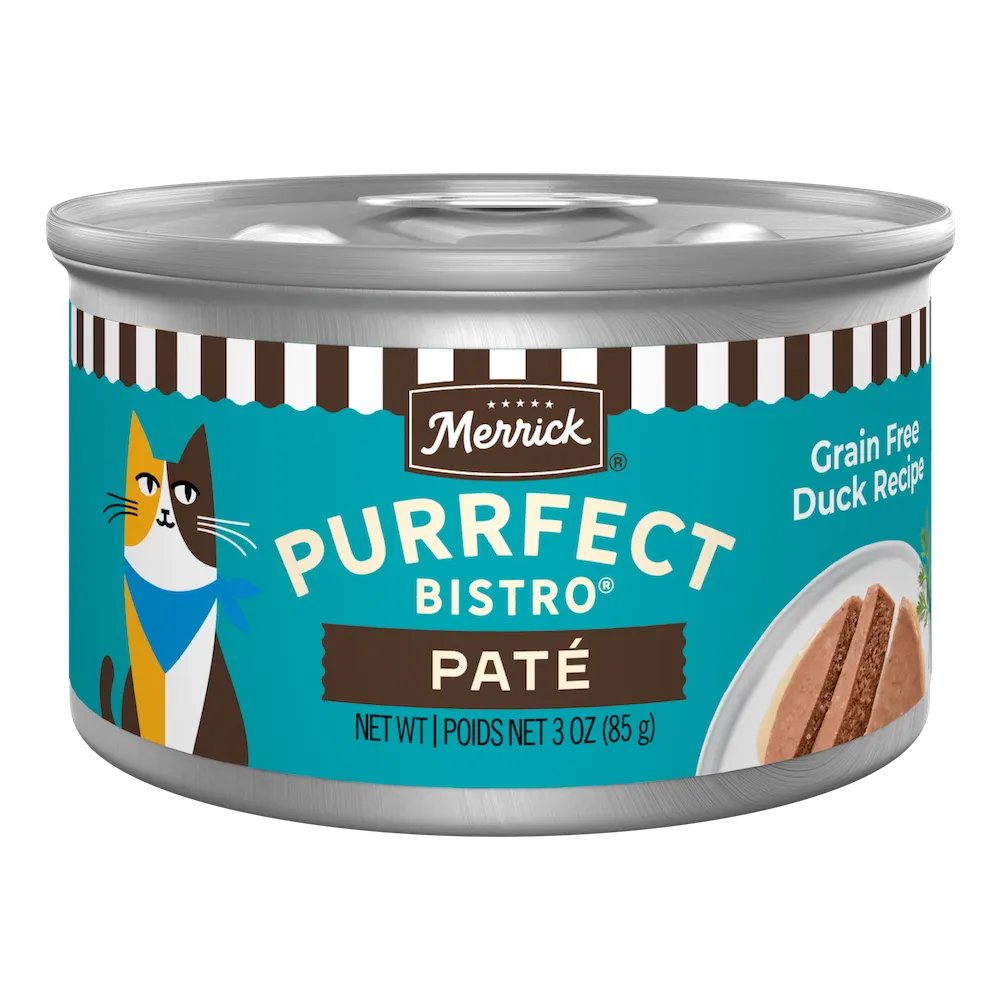
Grain free chicken recipe, turkey recipe and duck recipe.
The cats we nourish aren't picky, they're just Purrfectionist.
Delightful recipes for discerning felines.

Merrick Purrfect Bistro On the Wing Variety Pack with Chicken Recipe, Turkey Recipe, and Duck Recipe Grain Free Pate Cat Food

Product Description

Treat your cat to culinary purrfection with this Merrick Purrfect Bistro On the Wing Variety Pack--a full-flavored, delicious pate daily feeding wet cat food featuring the flavors of Grain Free Chicken Recipe, Grain Free Turkey Recipe, and Grain Free Duck Recipe wet cat food. This soft cat food delivers a smooth and tasty pate made from wholesome ingredients including real chicken, turkey, or duck for a tasty natural cat food that’s rich in protein and delivers balanced and natural nutrition. Essential vitamins, minerals, and nutrients are added, providing the fundamental nutrition that cats need. Merrick grain free wet cat food is made with no artificial colors, flavors or preservatives, and the sumptuous soft food for adult cats is crafted without wheat, corn or soy. Proudly and safely crafted in USA facilities, Merrick Purrfect Bistro pate canned cat food and dry food can be combined to create your cat’s purrfect mealtime bowl.
Browse Merrick Kitchen Comforts Small Breed Dog Food

    Filter by:

    Displaying 1 - 1 of 1

    Sorry, there are no results for [arg].

    You can:

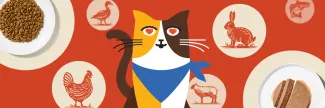
    Merrick Purrfect Bistro cartoon calico cat with heart eyes as images of a chicken, rabbit, fish, lamb and duck appear in the background along with a plate of Purrfect Bistro dry cat food and another plate with pate.
    Article Content Required

    Changing cat food can feel intimidating—especially if your cat is sensitive, picky or prone to digestive upset. The good news is that with the right approach, switching cat food can be a smooth, stress-free process that supports your cat’s long-term health. This guide is designed to be the definitive resource for cat parents, covering why food changes happen, how to switch cat food safely, and best practices for transitioning between wet and dry diets. Along the way, you’ll learn how Merrick Purrfect Bistro supports healthy, natural nutrition for cats at every life stage. 

    Why Cats May Need to Switch Food 

    There are many reasons cat parents consider changing cat food, and most are part of normal, responsible care. 

    One of the most common questions is when to change kitten food to cat food. Kittens require higher calories and specific nutrients for growth, while adult cats need balanced maintenance nutrition. That’s why transitioning from kitten food to adult cat food is an important milestone. Later in life, some cats also benefit from adjustments as they move into their senior years. 

    Other common reasons for changing cat food include: 

    • Health conditions, such as sensitivities, allergies or digestive concerns 
    • Lifestyle changes, including indoor living or changes in activity level 
    • Seeking better nutrition with more natural, wholesome ingredients 
    • Picky eating behaviors, which are common in cats 
    • Product discontinuations, requiring a comparable alternative 
    • Veterinary recommendations, especially for medical or dietary needs 

    Whatever the reason, a thoughtful food transition for cats is key to avoiding digestive issues. 

    How to Switch Cat Food 

    Image
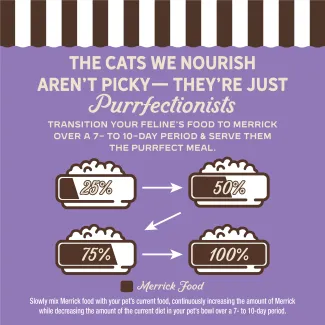
    Visual of how to gradually switch your cat's food

    If you’re wondering how to switch a cat to new food, the most important principle is to go slowly. Cats are especially sensitive to dietary changes, which explains why transitioning cat food slowly is so critical. 

    A gradual transition typically takes 7–10 days, though some cats may need longer. This process involves mixing the old and new foods together and gradually adjusting the changing cat food ratio over time. 

    A common approach looks like this: 

    Image
    Graph of how to gradually switch your cat's food

    This method answers both how to introduce new food to cat diets and how to introduce new cat food to your cat without overwhelming their digestive system.

    Watch closely for changing cat food too quickly symptoms, and be sure to reach out to your veterinarian if you’re worried about your cat’s health. Why do cats get sick when you change their food? The answer is simple: their gut simply needs more time to adjust to the changing composition of the food they are consuming.

    Troubleshooting Common Issues During Switching Cat Foods 

    If your cat won’t eat food mixed with the new formula, don’t panic. When transitioning cats to new food, small adjustments can make a big difference: 

    • Add warm water or a small amount of bone broth to dry food to enhance aroma 
    • Serve food slightly warmed (never hot), as temperature matters greatly to cats
    • Pay attention to texture—some cats strongly prefer pâté vs. shredded styles
    • Ensure bowls are thoroughly cleaned, as cats are sensitive to odors

    Patience and consistency are essential when learning how to switch cat food safely.

    Understanding Adverse Food Reactions vs. Simple Indigestion

    Mild digestive upset can be normal when switching cat food, but ongoing symptoms—such as persistent diarrhea, vomiting, itching or lethargy—may indicate a true food intolerance. 

    Importantly, cats should never go long periods without eating. Prolonged food refusal can increase the risk of hepatic lipidosis (fatty liver disease), a serious condition. If your cat stops eating altogether, consult your veterinarian promptly. 

    Changing Cat Food Types 

    Image
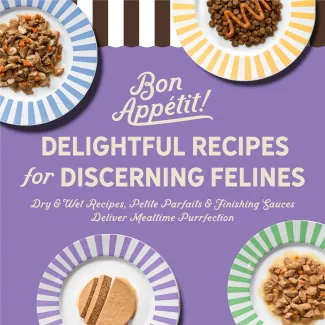
    Five colorful striped plates of Purrfect Bistro products including pate, dry cat food, wet and finishing sauce on top of the dry cat food

    Different cat food formats offer unique benefits, and transitioning between them requires care. 

    Switching to Wet Cat Food 

    Switching to wet cat food can improve hydration and palatability, especially for cats that don’t drink much water.

    When switching from dry to wet cat food, start by mixing small amounts of wet food into your cat’s dry food and gradually increase. Explore options from Merrick Purrfect Bistro here. 

    Switching to Dry Cat Food 

    Dry food is convenient, easy to measure and works well for cats who have more of a “grazing” style of eating. When switching from wet to dry cat food, ensure fresh water is always available and transition slowly to prevent digestive upset. Browse dry options here

    Some cat parents also explore rotational feeding for cats, rotating between textures or proteins to maintain interest and dietary variety—a great option when done gradually and thoughtfully. 

    How to Choose a New Cat Food 

    Understanding how to choose a cat food starts with consulting your veterinarian, especially if your cat has health concerns or sensitivities. 

    Other important factors include: 

    • Natural, high-quality ingredients 
    • Grain-free or healthy grain options 
    • Limited-ingredient recipes for sensitive cats 
    • High animal protein content and balanced nutrition 

    Merrick Purrfect Bistro offers thoughtfully crafted recipes that align with these needs, made with real ingredients and inspired flavors cats love.

    Merrick’s commitment to quality, transparency and feline health makes it easier for cat parents to choose with confidence. 

    Conclusion

    Image
    A variety of Merrick Purrfect Bistro cat food products including dry cat food, wet cat food, Petite Parfaits, and Finishing Sauce.

    Switching cat food doesn’t have to be overwhelming. By transitioning gradually, monitoring your cat closely and practicing patience, you can minimize digestive upset and support lifelong wellness. Whether you’re switching to wet cat food, transitioning to dry or adjusting between life stages, slow changes and careful observation are the most effective strategies. 

    With wholesome ingredients, trusted recipes, and a deep commitment to pet health, Merrick Purrfect Bistro is a reliable partner in your cat’s nutrition journey—helping you nourish your cat with confidence at every stage of life. 

    For more expert tips on cat food, explore our other cat feeding articles.

    Person laying on couch petting dog that is laying on her chest

    Find The Right Food For Your Pet

    Not All Pet Foods Are The Same

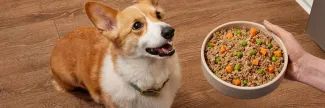
    Corgi looking up at a person holding up a bowl of Merrick Fresh Selects
    Article Content Required

    Changing dog food is a common—and often necessary—part of responsible pet parenting. Whether you’re navigating life stage changes, addressing digestive concerns, or upgrading your pup’s nutrition, knowing how to switch dog food safely can help prevent stomach upset and support your dog’s overall health. This complete guide covers why dogs may need food changes, how to introduce new dog food to your dog, and best practices for transitioning between dry, wet and fresh diets. 

    Why Dogs May Need to Switch Food 

    There are many reasons pet parents consider changing dog food, and one of the most common is a change in their dog’s life stage. 

    One question many owners ask is when to change puppy food to dog food. Dogs have different nutritional needs as they grow, so life stage transitions—such as moving from a puppy to an adult, or later to a senior—often require a food change. 

    Other reasons for switching dog food include: 

    • Health conditions or sensitivities, such as food intolerances or digestive issues 
    • Lifestyle changes, including activity level or weight management needs 
    • Nutritional Completeness: High-quality kibble is complete and balanced dog food.
    • Seeking better nutrition with higher-quality, natural ingredients 
    • Picky eating behaviors or reduced interest in current food 
    • Product discontinuations, requiring a comparable alternative 
    • Veterinary recommendations based on your dog’s individual needs 

    No matter the reason, a thoughtful food transition for dogs helps reduce digestive stress and improves long-term success.

    Image
    Hands of a person holding a bowl of Merrick dry dog food with an Australian Sheperad looking up smiling

    How to Switch Dog Food

    If you’re wondering how to switch a dog to new food, the most important rule is simple: go slow. Dogs often get sick when you change their food too fast because their digestive system needs time to adapt to new ingredients. 

    Most dogs do best with a transition that lasts 7–10 days, though sensitive dogs may need longer. This gradual approach explains why transitioning dog food slowly is such an important guideline. 

    A typical changing dog food ratio looks like this:

    Image
    Graph showing how to gradually transition your dog's food

    This step-by-step method is one of the safest ways to introduce new food to dog diets and supports healthy digestion

    Watch closely for symptoms of changing dog food too quickly, such as: 

    • Diarrhea 
    • Gas or bloating 
    • Vomiting 
    • Decreased appetite 

    So, why do dogs get sick when you change their food? The answer is simple: their gut simply needs more time to adjust to the changing composition of the food they are consuming. 

    Troubleshooting Common Issues When Switching Dog Foods

    If your dog hesitates to eat during the transition, it doesn’t mean the food isn’t right. When transitioning a dog to new food, try: 

    • Adding warm water or a splash of low-sodium bone broth to dry kibble 
    • Slightly warming wet food to enhance aroma
    • Ensuring bowls are clean, as residue can affect taste and smell 

    Avoid abandoning the transition too quickly, as consistency helps reinforce acceptance when introducing new dog food to your dog.

    Understanding Adverse Food Reactions vs. Simple Indigestion

    Temporary digestive upset is common when switching dog food, but ongoing symptoms—such as persistent diarrhea, itching, ear inflammation or vomiting—may indicate a true food sensitivity. If symptoms don’t resolve, pause the transition and consult your veterinarian before continuing.

    Changing Dog Food Types

    Different dog food formats provide different benefits, and switching between them requires small adjustments.

    Image
    Three bowls of Merrick dog food, each showing one different; dry dog food, wet dog food and Fresh Selects

    Switching to Wet Dog Food 

    Switching to wet dog food can improve hydration and palatability, especially for picky eaters or senior dogs. When switching from dry to wet dog food, mix small amounts into your dog’s existing food and gradually increase. Because wet food is richer, portion control is key. 

    Switching to Dry Dog Food 

    High-quality dry food is a convenient, shelf-stable option for your dog. When switching from wet to dry dog food, ensure fresh water is always available and transition slowly to avoid digestive upset.  

    Switching to Fresh or Fresh-Frozen Dog Food 

    Many pet parents ask how to switch a dog to a fresh food diet because fresh and fresh-frozen recipes offer minimally  processed nutrition and high palatability. When switching from kibble to fresh or fresh-frozen food, gradual mixing is essential. Fresh-frozen options like Merrick Fresh Selects make the transition convenient and easy. Learn more about benefits of fresh-frozen food. 

    How to Choose a New Dog Food 

    Understanding how to choose a dog food starts with consulting your veterinarian—especially if your dog has health concerns or sensitivities. 

    Other important considerations include: 

    • Ingredient quality and natural formulations 
    • Grain-free vs. healthy grain recipes 
    • Limited-ingredient diets for sensitive dogs 
    • Protein sources and overall nutritional balance 
    Image
    Four images showing Merrick dog food which include kibble from Backcountry, wet dog food from Grain Free, dry dog food from Limited Ingredient Diet and Bone Broth

    Merrick offers thoughtfully crafted options to support every dog, including high-protein recipes like Merrick Backcountry, delicious grain free options, recipes made with wholesome grains, and limited ingredient options for dogs with sensitivities. Add-ons like bone broth can also help improve acceptance during transitions.

    In some cases, rotational feeding for dogs—switching between high-quality proteins or formats over time—may help maintain interest and support balanced nutrition. So consider trying different options for your pup while following the guidelines above. 

    Conclusion 

    Image
    A variety of Merrick dog food product with four bags of dry dog food, two cans of wet and one package of Fresh Selects

    Switching dog food doesn’t have to be stressful. By focusing on a gradual transition, closely monitoring your dog’s response and practicing patience, you can avoid digestive upset and support long-term health. Whether switching to wet dog food, transitioning back to dry, or switching from kibble to fresh food, slow mixing and consistent ratios are key. 

    With high-quality recipes made from real ingredients, Merrick is a trusted partner in your dog’s nutrition journey—helping you make confident choices and support your dog’s well-being at every life stage. 

    For more expert tips on dog food, explore our other dog feeding articles. 

    Person laying on couch petting dog that is laying on her chest

    Find The Right Food For Your Pet

    Not All Pet Foods Are The Same

    Merrick Cat Food & Treats FAQs

    Merrick Cat Food & Treats FAQs

    Company Information

    Feeding

    Ingredients

    Nutrition & Health

    Products

    Merrick Dog Food & Treats FAQs

    Company Information

    Feeding

    Ingredients

    Nutrition & Health

    Products

    Double Click/Tap to Zoom
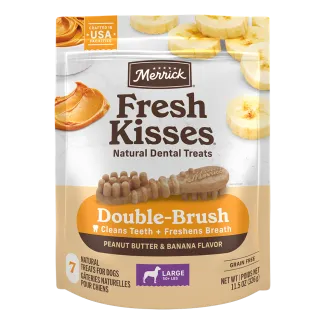
    A 7 count pouch of Merrick Fresh Kisses Peanut Butter and Banana dental dog treats for large dogs.
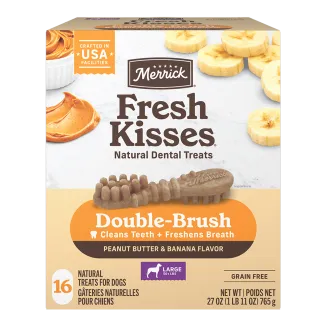
    The front of a 16 count box of Merrick Fresh Kisses Peanut Butter and Banana dental dog treats for large dogs.
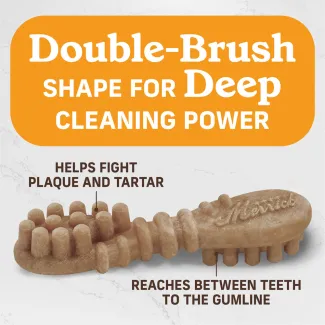
    Merrick Fresh Kisses Peanut Butter and Banana large dental dog treats have a double brush shape for deep cleaning power.
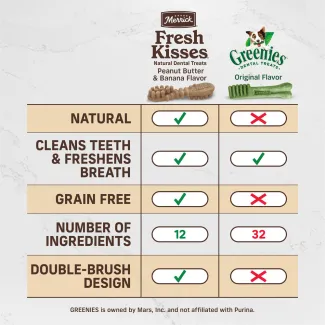
    An infographic comparing Merrick Fresh Kisses Peanut Butter and Banana medium dental dog treats to Greenies dental treats.
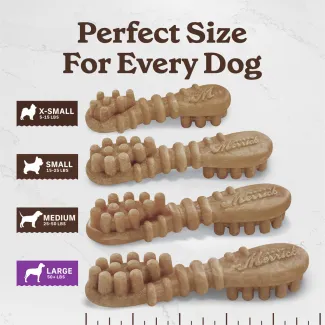
    Merrick Fresh Kisses Peanut Butter and Banana dental dog treats come in the perfect size for every dog, medium to large.

    Fresh Kisses Peanut Butter & Banana Large Dog Treats

    Double Click/Tap to Zoom
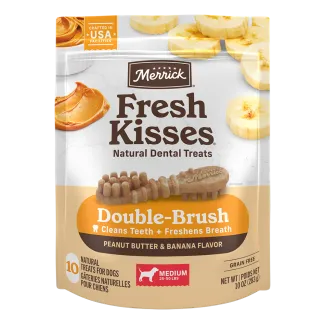
    A 10 count pouch of Merrick Fresh Kisses Peanut Butter and Banana dental dog treats for medium size dogs.
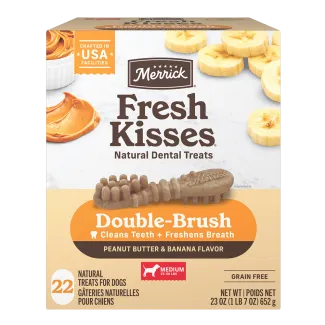
    The front of a 22 count box of Merrick Fresh Kisses Peanut Butter and Banana dental dog treats for medium size dogs.
    Merrick Fresh Kisses Peanut Butter and Banana large dental dog treats have a double brush shape for deep cleaning power.
    An infographic comparing Merrick Fresh Kisses Peanut Butter and Banana medium dental dog treats to Greenies dental treats.
    Merrick Fresh Kisses Peanut Butter and Banana dental dog treats come in the perfect size for every dog, medium to large.

    Fresh Kisses Peanut Butter & Banana Medium Dog Treats

    Double Click/Tap to Zoom
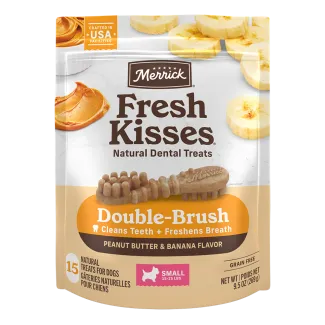
    A 15 count pouch of Merrick Fresh Kisses Peanut Butter and Banana dental dog treats for small dogs.
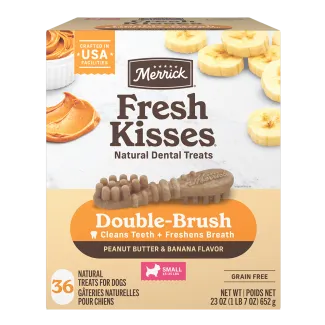
    The front of a 36 count box of Merrick Fresh Kisses Peanut Butter and Banana dental dog treats for small dogs.
    Merrick Fresh Kisses Peanut Butter and Banana large dental dog treats have a double brush shape for deep cleaning power.
    An infographic comparing Merrick Fresh Kisses Peanut Butter and Banana medium dental dog treats to Greenies dental treats.
    Merrick Fresh Kisses Peanut Butter and Banana dental dog treats come in the perfect size for every dog, medium to large.

    Fresh Kisses Peanut Butter & Banana Small Dog Treats